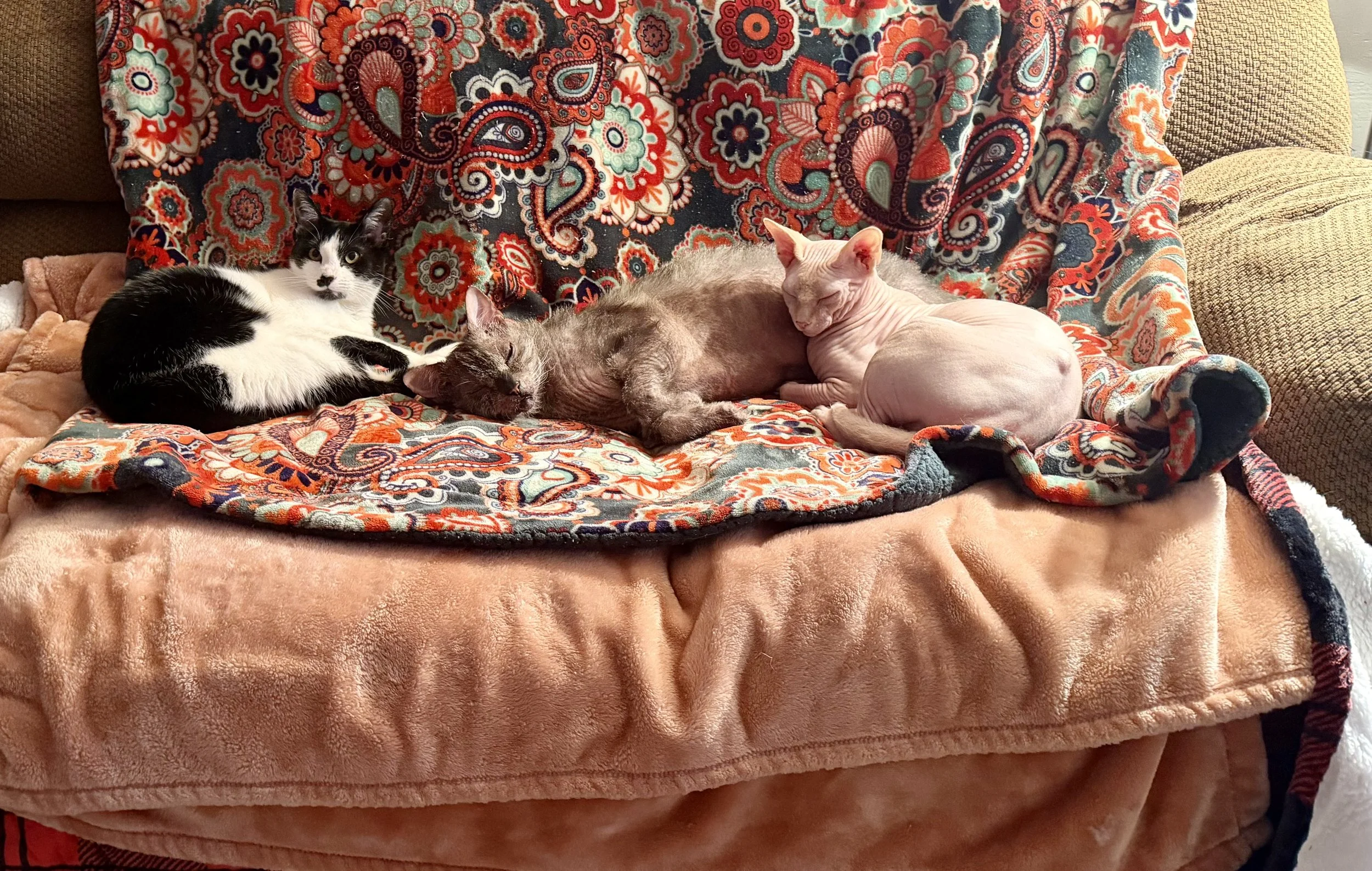
Let’s get one thing out of the way. No one wakes up in the morning hoping to sniff a cat’s mouth. And yet, if you live with cats long enough, there comes a moment when you are face to face, nose to nose, sharing what should be a tender bonding experience, only to be hit with a smell that makes you question your life choices.
Before you blame the tuna, it is important to know this. Bad breath in cats is usually not normal, and it is very often a sign of dental disease.
A healthy cat’s breath should smell fairly neutral, maybe faintly like cat food or fishy memories of meals past. It should not smell foul, rotten, metallic, or overwhelming. When cat breath smells bad, it is often a sign that something is wrong inside the mouth.
The most common cause of bad breath in cats is dental disease. This can include tartar buildup, inflamed gums, infected or resorbing teeth, and abscesses hiding below the gum line. Cats are incredibly stoic. They do not complain or show obvious signs of pain. They continue eating, purring, and acting normal even when their mouth is uncomfortable. Because of this, bad breath is often the first and only clue that dental disease is present.
Many people assume that if a cat is eating fine, their teeth must be fine too. Unfortunately, that is not always true. Cats can and often do eat normally while their teeth are very much not okay. They adapt. They chew on one side, swallow food with minimal chewing, or quietly avoid hard kibble. By the time a cat stops eating due to dental pain, the problem is usually advanced and more expensive to treat. Catching dental issues early can prevent pain and serious infection.
Confession time. I smell cat breath every day. If you live with cats long enough, smelling their breath becomes less of a choice and more of an everyday occurrence. Cats yawn in your face. They stretch and exhale directly into your soul. They sit on your chest and breathe like tiny, judgmental furnaces. Somewhere along the way, you stop reacting and start noticing when it suddenly smells different, sharper, rotten, or metallic instead of just cat food adjacent. That is when it matters.
Most people only notice bad breath when it is really bad. Smelling it regularly means changes are caught early, when dental issues are easier and far less painful to address. I never planned to be someone who monitors feline breath daily. Life had other plans.
Bad breath often comes with other warning signs. Watch for drooling, pawing at the mouth, red or bleeding gums, yellow or brown buildup on teeth, dropping food while eating, chewing oddly, or suddenly preferring soft food. If you notice any of these, it is time to schedule a veterinary visit.
So should you really smell your cat’s breath? It may feel strange, but yes. You do not need to force it or make it uncomfortable. But when your cat yawns in your face or breathes directly into your nose, pay attention. Your nose might be the first line of defense against pain, infection, and tooth loss.
Cats hide pain well and rely on their humans to notice the small things. Bad breath is one of those small things that can signal a much bigger issue. Dental care is not glamorous or Instagram worthy, but it is one of the kindest things you can do for your cat’s long term health and comfort.
The next time your cat lovingly breathes in your face, take a moment to notice. For love, for science, and for their teeth.